Wound Care Education & Prevention in Greater Valley Area
Wound Care Education & Prevention Near You
A wound does not always start with a major injury. Sometimes it begins with dry skin, pressure, swelling, poor circulation, or a small sore that gets ignored for too long. At Rampertab Podiatry On Site Podiatry Serving The Greater Valley Area, we provide wound care education & prevention in Greater Valley Area to help you lower your risk of future wounds and take better care of the skin and tissue you rely on every day.
If you are looking for wound care education & prevention near you, we bring care directly to you. This is especially helpful for seniors, people with limited mobility, and those living in homes, rehab centers, or assisted living. Having care at home makes it easier to ask questions, build good habits, and catch small issues before they become bigger problems. We provide mobile wound care throughout the Greater Valley area and schedule visits directly with patients.
What Is Wound Care Education & Prevention?
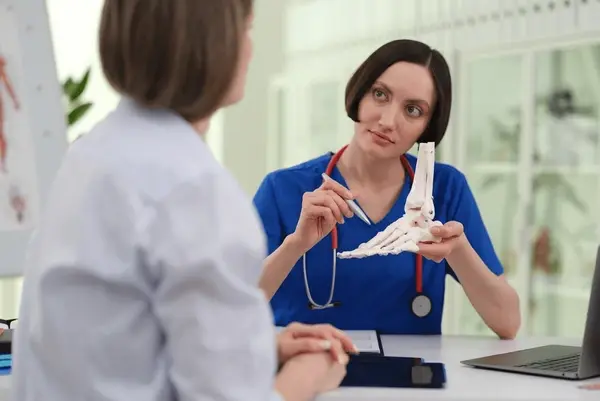
Wound care education and prevention means teaching you how to protect your skin, lower your risk of breakdown, and respond early when something does not look right. We do not just look at an existing wound. We also help you understand what may cause one, what daily habits matter, and what warning signs should never be ignored.
This service may include teaching about:
Skin Checks
How to notice redness, drainage, swelling, or changes in skin color early.
Pressure Relief
How to reduce constant pressure on heels, feet, and other high-risk areas.
Moisture Control
How to avoid skin that stays too wet or becomes too dry.
Daily Foot and Leg Care
How to protect skin if you have diabetes, swelling, or reduced feeling.
When to Call for Help
How to recognize signs that need prompt professional care.
Taking care of your feet, checking your skin regularly, and paying attention to changes early can help prevent serious problems, especially for people with diabetes or limited mobility. If you are looking for professional wound care education & prevention near you, we are a call away.
Why Prevention Matters
It is easier to prevent a wound than to treat it after it gets deeper, infected, or keeps coming back. If your skin is exposed to pressure, rubbing, moisture, or poor blood flow, it can slowly break down. Once this happens, healing can take longer and may need more advanced care.
Prevention helps you:
Catch Problems Early
It is easier to manage small changes than larger wounds.
Protect Fragile Skin
Your skin stays stronger when you reduce friction, pressure, and excess moisture.
Lower Infection Risk
Clean, protected skin is less likely to break down and become a breeding ground for bacteria.
Avoid Delays in Healing
Early action often prevents a wound from getting worse or becoming more complicated.
If you keep your skin clean and dry, change positions regularly, and use pressure-relieving supports, you can help prevent pressure injuries and skin breakdown.
If you notice signs of infection (such as redness, warmth, swelling, drainage, or fever), you should seek medical help.
How Wound Care Education & Prevention Works
We do not hand you a list and leave. We look at your risks, your skin, your daily routine, and the areas where problems are most likely to start.
Here are the steps we usually follow during your wound care education & prevention in Greater Valley Area:
Risk Review
We discuss your health, mobility, swelling, circulation, and past wound history.
Skin and Foot Check
We examine your skin, feet, pressure areas, and any spots that look irritated.
Circulation and Nerve Review
We use Smart ABI testing when blood flow or nerve function may be raising your risk.
Prevention Teaching
We show you what to watch for, what to avoid, and what daily care steps matter most.
Follow-Up Planning
We determine whether you need rechecks, support devices, or changes in your care routine.
This makes our wound care education and prevention more than general advice. It becomes a care plan built around your real risk factors. Smart ABI testing can help identify circulation and nerve problems that may affect wound risk and healing.
What We Focus on During Visits
We tailor prevention work to the person in front of us. Your visit may include:
Pressure Review
We look for areas that take excessive force when walking, sitting, or lying down.
Moisture Review
We check whether your skin stays too wet, too dry, or breaks down easily.
Circulation Review
We may assess your blood flow if poor healing or color changes are a concern.
Neuropathy Review
We may check your sensation to see if reduced feeling is putting your feet at risk.
Daily Care Guidance
We show you how to clean, protect, monitor, and support your skin at home.
Through on site podiatry in Greater Valley Area, we can bring this kind of care directly to you in homes and facilities, which helps remove transportation barriers and makes education easier to continue.
Our Individualized Approach
Some people have wounds from pressure, others from swelling, and some from nerve damage, which makes it hard to notice problems early. We tailor your preventive teaching and care to your specific needs instead of giving everyone the same advice.
If your skin stays too wet, we teach you how to reduce excess moisture. If it stays too dry, we teach you how to protect and hydrate it. That moisture balance matters because skin often breaks down faster when it is neglected in either direction.
That approach helps us:
Protect High-Risk Areas
We focus on the areas that are most likely to break down.
Improve Daily Habits
We show you changes that fit your routine.
Reduce Future Problems
We address the risk before your wound becomes harder to manage.
Support Long-Term Skin Health
We help you keep prevention going, not just start it.
Why Patients Choose Us for Wound Care Education & Prevention
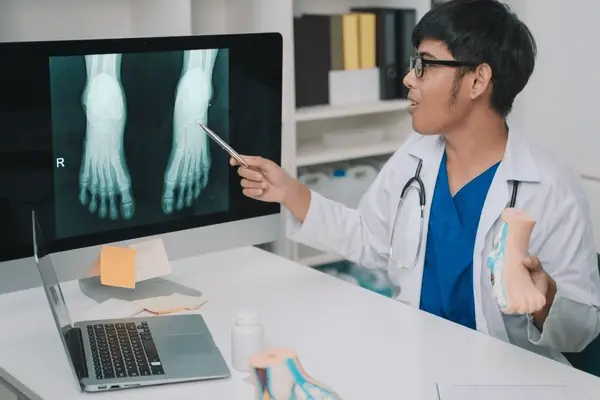
Patients often need more than treatment. They need clear guidance they can actually use.
Here is why patients choose us for wound care education & prevention in Greater Valley Area:
We Come to You
We bring care directly to the patient instead of making every visit happen in an office.
We Work in Real-Life Settings
We provide care in homes, rehab settings, assisted living communities, and similar environments.
We Teach While We Treat
We connect education to what your skin and wound risk actually look like.
We Make Follow-Up Easier
Repeat checks and prevention support are easier when the provider comes to you.
We Support Ongoing Care
Our mobile podiatrist in Greater Valley Area helps you receive practical wound guidance where you already are.
Get Help Before a Small Problem Turns Into a Wound
At Rampertab Podiatry On Site Podiatry Serving The Greater Valley Area, we provide wound care education & prevention near you so you can better protect your skin, lower your risk, and respond earlier when something changes. We bring care directly to you, review your risk factors, and help you build a prevention plan that fits daily life. Call us today at (602) 501-0328 to book your appointment.
FAQs
What does wound care education include?
We teach you about skin checks, pressure relief, moisture control, foot care, and warning signs that need medical attention. Education and prevention are important parts of our wound care services.
Who benefits from wound prevention services?
Seniors, people with diabetes, patients with limited mobility, facility residents, and anyone with fragile skin or a history of wounds can benefit. Good skin and foot checks are an important part of overall health care.
Do you travel to the patient?
Yes. We provide mobile wound care and prevention support in homes and facility-based settings across the greater Valley area.
When should I ask for help instead of handling it myself?
You should ask for help if you see spreading redness, warmth, swelling, drainage, bad odor, increasing pain, fever, or a wound that is not improving.
Can prevention really lower my risk of future wounds?
Yes. Keeping skin clean and dry, checking feet and pressure areas often, relieving pressure, and responding early to skin changes can help prevent wounds and complications.